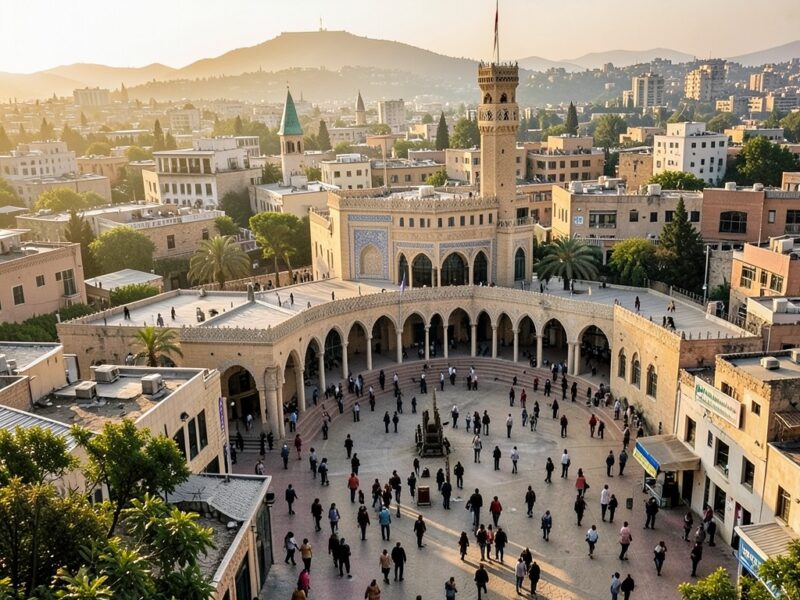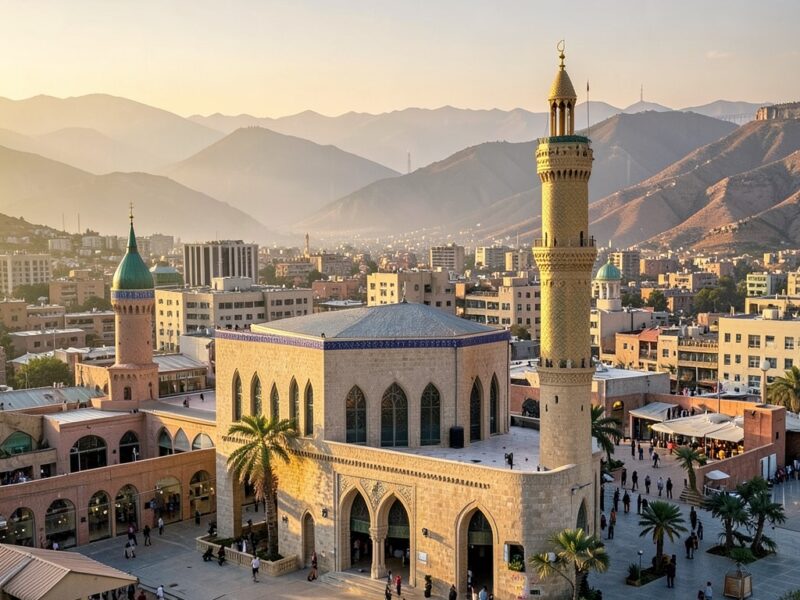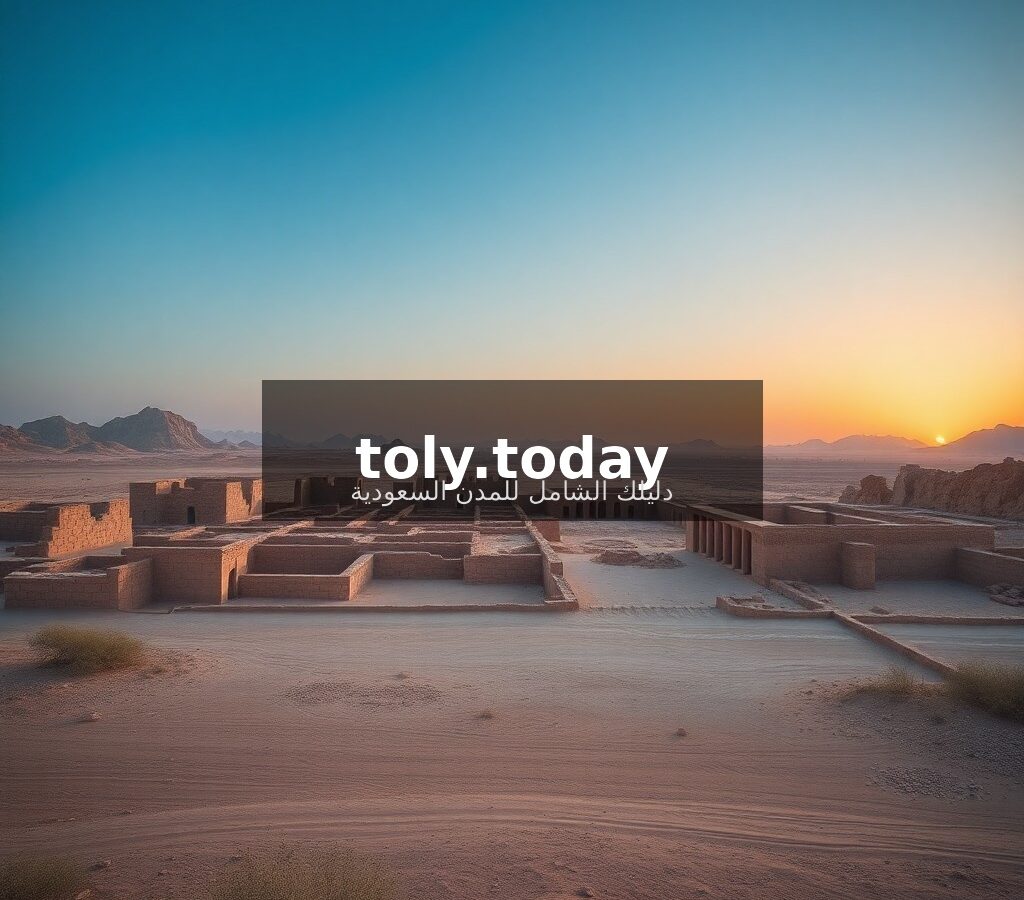
Depths of history in the Kingdom of Saudi Arabia continue to reveal its secrets day after day. Among the most prominent of these archaeological treasures is Faw Village, the ancient city that was the capital of the ancient Kingdom of Kinda, and was inscribed by UNESCO on the World Heritage List in July 2024. Here is your quick guide to this exceptional site.
Who is it for: History, archaeology, and adventure enthusiasts
Where is it located: Southwest of Wadi Ad-Dawasir Governorate, Riyadh region — on the edge of the Rub’ al Khali
Entry fees: Free
Best time to visit: October to March (mild weather)
💡 Tip: The site has been on the UNESCO World Heritage List since 2024 — wear comfortable shoes and be prepared for walking
What is Faw Village?
Faw Village, formerly known as «Dhat Kahl», is a complete archaeological city dating back to the 4th century BCE. It was the capital of the Kingdom of Kinda, one of the oldest Arab kingdoms in Najd. The city flourished between the 3rd century BCE and the 3rd century CE, serving as a major stop on the ancient Incense Road that connected southern Arabia to the north.
The city was an important commercial center, featuring over 17 water wells, markets, organized streets, palaces, and temples. Its early inhabitants named it «Red Village» and «Dhat al-Janan» (Garden City) during its golden age.
Key archaeological landmarks at the site
- Temples: Five temples have been discovered, including the temple of the god Kahl (the main deity of Kinda) and the temple of the goddess Shams, featuring rare murals dating back to the 1st century CE
- Royal Palace: Built from limestone in the city center, adjacent to the main temple
- Markets and Homes: Organized streets and integrated residential neighborhoods reflecting advanced urban planning
- Tombs: Massive tombs divided into two types — above-ground tombs (shrines) and underground tombs (burials)
- Murals: Unique artworks blending Roman and Egyptian styles, including the famous mural of «Zaki»
- Water System: Advanced water channels, reservoirs, and cisterns
What makes Faw Village special?
Faw Village is not just an ordinary archaeological site — it is a complete, integrated ancient city, rare in the Arabian Peninsula. Visitors can see for themselves:
- Hellenistic Influence: The murals show clear Roman and Egyptian artistic influence, with artists using red, yellow, black, and white colors
- Ancient Inscriptions: Hundreds of inscriptions in the Sabaean Musnad and Minaean scripts recounting tales of kings, trade, and worship
- Bronze Statues: Among the most famous is the bronze head preserved in the Pergamon Museum in Germany
- Proximity to the Rub’ al Khali: Its location on the edge of the world’s largest desert gives it a dramatic landscape
How to visit Faw Village?
The site is open to visitors and easily accessible:
- Head to Wadi ad-Dawasir Governorate (600 km southwest of Riyadh)
- From Wadi ad-Dawasir, continue 100 km south toward Sulayyil Governorate
- Follow the directional signs to Faw Archaeological Village
- It is recommended to use a four-wheel-drive vehicle as the last stretch of the journey is rugged
Tips Before Visiting
| Element | Details |
|---|---|
| Best Time | October — March (moderate temperatures) |
| Visit Duration | 3 — 4 hours (walking required) |
| Transportation | Four-wheel-drive vehicle (SUV) |
| Entry | Free |
| Tour Guide | Recommended to hire a local guide or use offline map apps |
| Photography | Allowed — bring a camera |
Frequently Asked Questions
Is Faw Village registered with UNESCO?
Yes, the Cultural Landscape of the Faw Archaeological Area was inscribed as a World Heritage Site in July 2024, under cultural criteria (ii) and (v).
Is the site suitable for families?
Yes, but preparation is needed — there are limited facilities at the site itself, so bring water, food, and an umbrella.
What is the difference between Faw Village and the Hegra Site?
The two sites are different. Faw Village was the capital of the Kingdom of Kinda in Najd, while the Hegra Site in Najran belongs to the Kingdom of Himyar. Both are archaeological, historical, and very important.
Are there nearby hotels?
The nearest hotels are in Wadi ad-Dawasir Governorate and Sulayyil. It is recommended to book accommodation in advance.
Official website of Saudi Tourism: visitsaudi.com