Imagine you’re scrolling through Facebook or Twitter, and suddenly you see a picture of a stranger—or even someone you know. Is it real or AI-generated? The difference has never been harder to spot.
In this simple guide, we’ll show you how to tell real images from AI-generated ones (deepfakes) using the latest scientific research from top universities.
What is Deepfake?
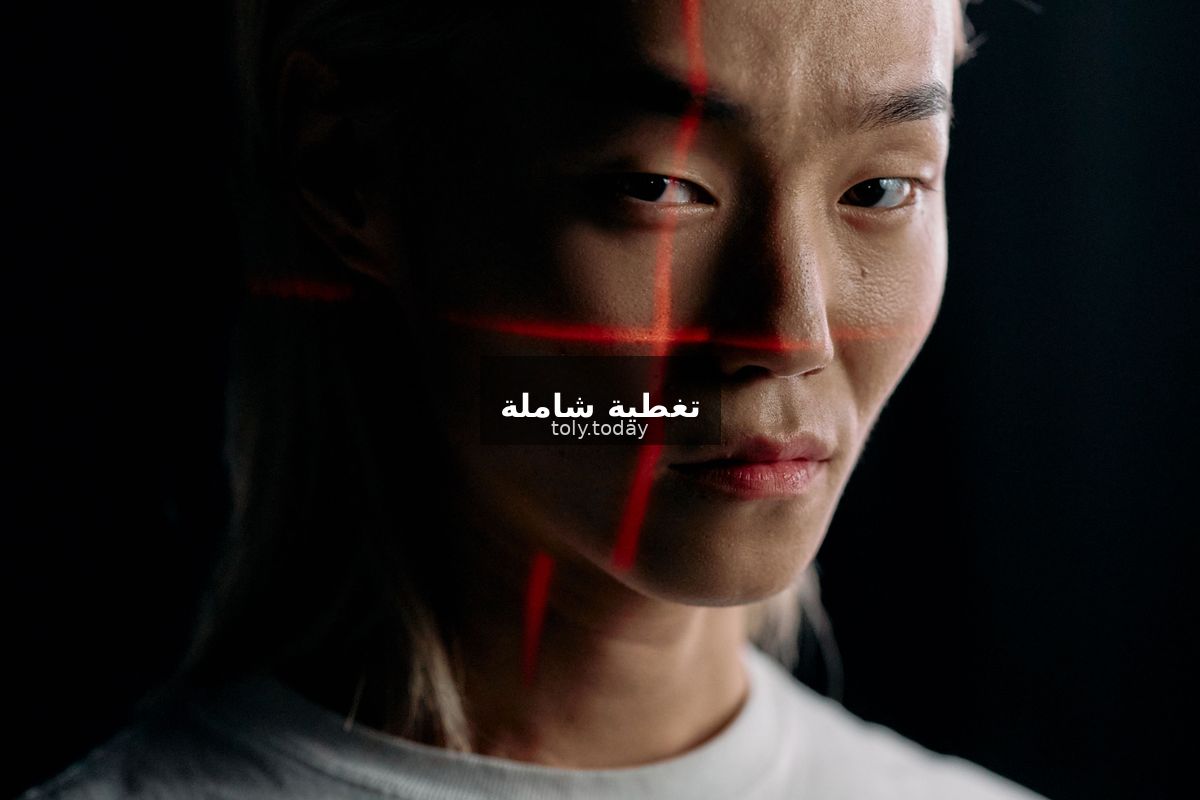
Deepfake is a technology that uses artificial intelligence to create images or videos that look real. The BBC ran an interactive test, and the results showed most people failed to tell the difference.

6 Signs to Spot Deepfake
A research team from the University of Aberdeen and the Australian National University developed a method to teach people to detect fake images using six key signs:
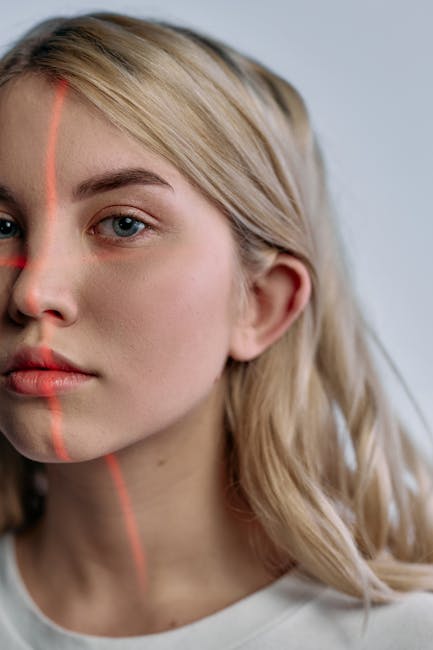
- Overly symmetrical faces: Perfect faces are often fake. Natural human faces have asymmetry.
- Unnatural proportions: Deepfakes rarely feature oversized noses or prominent ears.
- Excessive attractiveness: AI-generated faces are often more beautiful than natural ones.
- Lack of emotion: Fake faces show less expression, and their eyes appear empty.
- Excessive symmetry: A naturally occurring face is rarely 100% symmetrical.
- Easily forgettable: AI-generated faces are often generic and hard to remember.
Why Does This Matter for Saudi Arabia?
Saudi Arabia is one of the most tech-reliant countries in the world. Deepfake scams include financial fraud using fake official images, fake celebrity ads, and impersonation accounts. The National Cybersecurity Authority has issued guidelines on AI risks.

Key Takeaways
- Training works: Research shows short training improves detection skills.
- Overconfidence is dangerous: People who overestimate their ability are more likely to fall for fakes.
- Tools help, but aren’t perfect: Experts say detection tools aren’t 100% accurate.
- Laws are evolving: Saudi Arabia is introducing legislation to combat deepfakes.
❓ FAQ
Is the deepfake in you? Every internet user – especially social media users, business owners, and officials.
Where does it spread? Facebook, Twitter, Instagram, TikTok, and paid ads.
What is the cost? Free tools (BBC test) and paid apps $20-100/month. Training is free.
How long does it take? Seconds! Trainers detect deepfakes in under 10 seconds.
How do I start? Try the BBC test, train on the six signs, use Google reverse image search.
📌 Summary: Deepfakes exist, but trained eyes can spot them. Learn and share the knowledge.
Sources: BBC News (July 2026), University of Aberdeen, Saudi National Cybersecurity Authority.