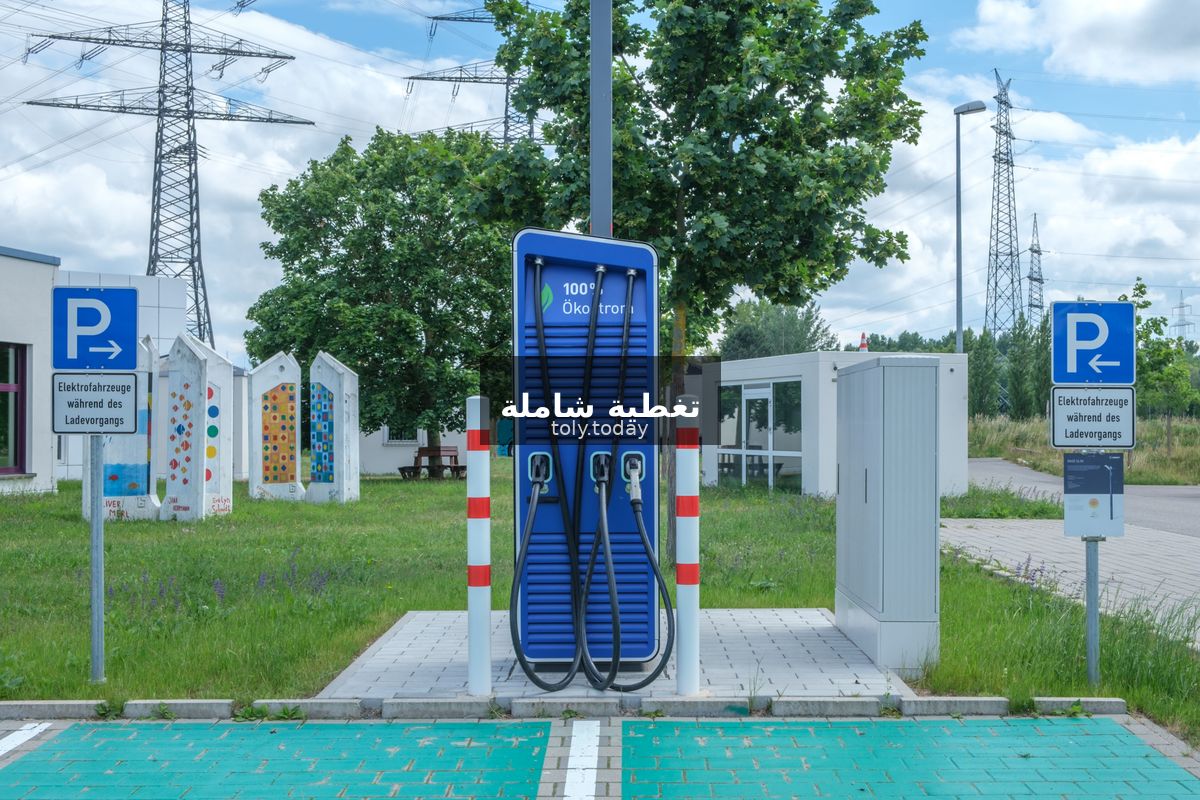
The Kingdom of Saudi Arabia has witnessed a huge boom in the electric car sector over the past two years, where electric vehicles (EV) have become a tangible reality on Saudi roads and not just a future dream. With the launch of the Saudi brand “Ceer”, the opening of Lucid’s factory in the Kingdom, and the expansion of the electric car charging network, the time is ideal to understand this green revolution up close.
What are Electric Cars?
An electric car is a vehicle that runs entirely on electric power stored in rechargeable batteries, instead of traditional fuel (gasoline or diesel). It is characterized by being environmentally friendly (no carbon emissions), lower operating and maintenance costs, and quieter than traditional cars. The most popular models available globally include Tesla, Lucid, Nissan Leaf, in addition to Chinese brands such as BYD and NIO.
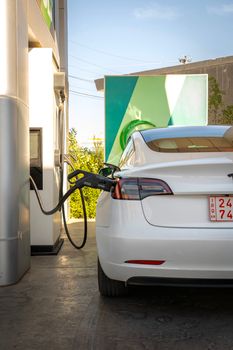
Electric Cars in Saudi Arabia — A National Success Story
The Kingdom is not just a consumer of electric cars, but has also become a major player in its industry. In 2022, the Public Investment Fund (PIF) launched the Saudi electric car brand “Ceer” in partnership with Foxconn. The giant factory in King Abdullah Economic City will produce 150,000 cars per year and provide thousands of jobs for the sons and daughters of the Kingdom.
Also, the American company Lucid opened its first factory outside the United States in King Abdullah Economic City (KAEC), with a production capacity of up to 155,000 cars per year. The Saudi government aims to convert 30% of the car fleet in Riyadh to electric cars by 2030.
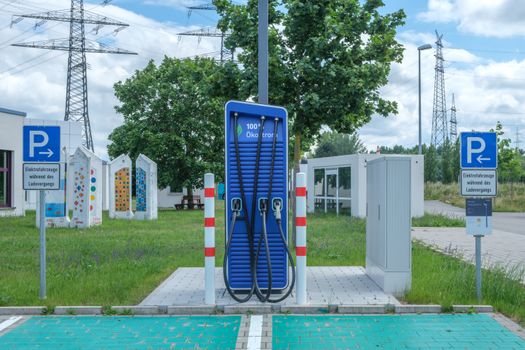
Electric Car Charging Network — Where to Charge Your Car?
One of the biggest challenges was the infrastructure for charging, but the Kingdom has made significant progress in this field. The Saudi Standards Authority, in cooperation with the Ministry of Energy, launched the Electric Vehicle Charging Infrastructure Regulation project. Currently, charging stations are distributed in major cities:
- Riyadh: More than 200 charging stations distributed in shopping centers, hospitals, and public parking lots
- Jeddah: More than 150 charging stations covering the Corniche and major shopping centers
- Dammam and Khobar: A growing network with more than 100 charging stations
- Highway: Fast charging stations on Riyadh-Jeddah and Riyadh-Dammam roads
Applications like EV Charger and Saudi Standards Authority App help users find the nearest charging station and plan their trips accordingly.
Your count in finding the nearest charging station and checking its status in real-time.
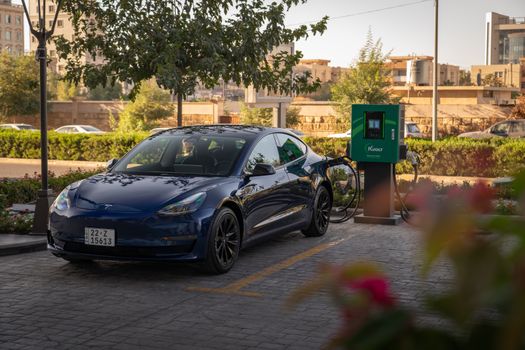
Key points before buying an electric car
- Government support: Exemption from customs fees for a limited period + reduced registration fees
- Charging cost: Home charging costs around 15-25 SAR per full charge (compared to 150-200 SAR for a full tank of gasoline)
- Range: Most electric cars available in Saudi Arabia can travel 350-500 kilometers on a single charge
- Maintenance: Much lower than traditional cars — no engine oil, no air filter, no complex transmission
- Insurance: Saudi insurance companies have started offering special insurance policies for electric cars
❓ Frequently Asked Questions
Who uses electric cars in Saudi Arabia?
Individuals, companies, and the government. Families use them as a second car for city driving, companies use them for internal transport fleets, and government entities use them as part of sustainability initiatives. Delivery apps have also started using electric cars to reduce costs.
Where can I charge my electric car?
You can charge your car at home (220V charger), at public charging stations in shopping centers, hospitals, and parking lots, or at fast-charging stations on highways between cities. The “EV Charger” app shows you all locations on the map.
How much does an electric car cost in Saudi Arabia?
Prices for electric cars in Saudi Arabia range from 80,000 SAR for budget models (such as the Nissan Leaf) to 300,000 SAR for luxury models (such as the Lucid Air and Gravity). Saudi EV Company will launch competitively priced models starting from 100,000 SAR.
How long does it take to charge an electric car?
It depends on the type of charger: Home charging takes 6-8 hours for a full charge, Public charging takes 1-2 hours, and Fast charging takes 20-30 minutes to charge from 20% to 80%. The duration depends on the battery capacity and charger type.
How do I start trying out an electric car?
Start by downloading the “EV Charger” app to find nearby charging stations. Visit showrooms in Riyadh (King Fahd Road) or Jeddah (Tahlia Street) to test drive models like BYD, Lucid, and Hyundai Ioniq. Most dealers offer free test drives and consultations on installing a home charger.
Conclusion
Electric cars are no longer a future option in Saudi Arabia — they are the present. With a developed infrastructure, significant government support, and local and global brands, electric cars have become a practical and economical choice for many Saudis. If you’re thinking of buying a new car, an electric car deserves to be at the top of your list.