Saudi Arabia has achieved a new global milestone in the technical field, after topping the world rankings in the ICT Development Index for 2026, issued by the International Telecommunication Union (ITU). The index, the most important globally for measuring the development of the communications and information technology sector, analyzed the performance of 159 countries worldwide, with Saudi Arabia leading the way, outperforming major digital economies. In this article, we review the details of this achievement, the key figures, and what it means for citizens and residents in Saudi Arabia.
What is the ICT Development Index (IDI)?
The ICT Development Index is an index issued by the International Telecommunication Union (ITU) – a United Nations agency – to measure digital development in member states. The index is based on two main pillars:
- Universal Connectivity: The extent to which internet and communication services are accessible to all populations.
- Meaningful Connectivity: The quality of services in terms of speed, cost, and ease of use.
In short: The index measures how advanced a country is in providing high-quality internet and communications to everyone, not just the number of subscribers.

Saudi Arabia Leads Globally by the Numbers
The Communications, Space, and Technology Commission (CST) stated that the Kingdom’s top ranking in the index was due to its strong performance in both pillars, reflecting the ongoing development in Saudi Arabia’s communications and technology sector. Here are the key figures supporting this achievement:
- The Saudi communications and technology market reached 199 billion riyals by the end of 2025, with an annual compound growth rate of 8% over five years.
- The Saudi market is the largest and fastest-growing in the Middle East and North Africa region.
- The internet usage and mobile phone penetration rate reached 100% of the population.
- The average fixed internet speed reached 151 megabits per second.
- The average mobile internet speed reached 216 megabits per second.

What Does This Achievement Mean for Citizens and Residents in Saudi Arabia?
Saudi Arabia’s top ranking in the index is not just a number in an international report – it has a direct impact on your daily life:
- Faster and cheaper internet: With improved infrastructure, high speeds are now available at competitive prices.
- Comprehensive coverage: Even remote and rural areas now have access.
- Distinguished digital government services: The Absher platform, the Tawakkalna application, and others benefit from this infrastructure to provide smooth services.
- Investment attraction: The strong digital infrastructure attracts global tech companies to invest in Saudi Arabia, creating new job opportunities.

Continuous efforts behind the achievement
This global ranking did not come out of nowhere. Saudi Arabia has invested billions of riyals in digital infrastructure over the past few years as part of Saudi Vision 2030. Some of the notable efforts include:
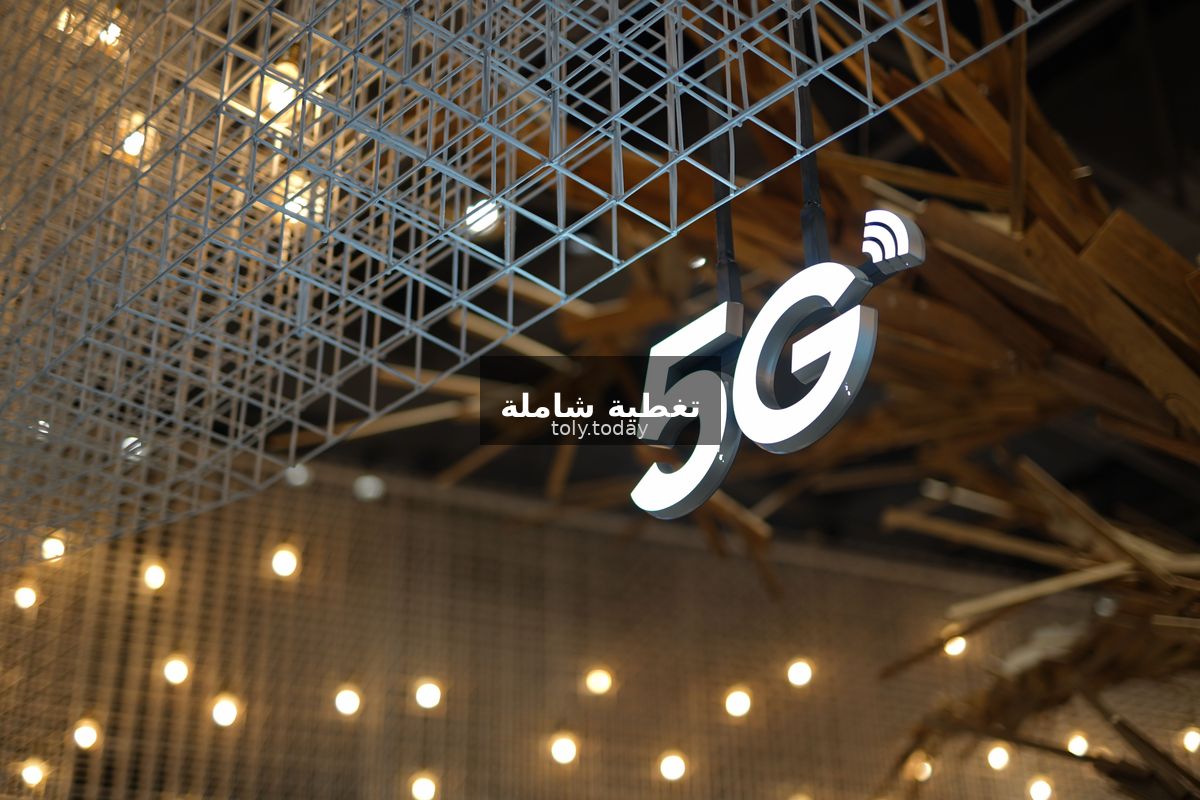
- Launching 5G networks with wide coverage in major cities.
- Fiber optic projects that have reached millions of homes.
- Launching the 2026 Year of Artificial Intelligence to enhance the kingdom’s position as a global tech hub.
- Support from the Communications, Space, and Technology Commission (CST) for innovation and improving the regulatory environment.
- Investment by the Public Investment Fund in global tech and communications companies.
Saudi Arabia among the leaders: a quick comparison
The index analyzed 159 countries, and Saudi Arabia topped the list, ahead of countries like South Korea, Singapore, the UAE, the United States, and China. This confirms that Saudi Arabia’s digital infrastructure has become one of the best globally, not just regionally.
Frequently Asked Questions
Who needs to know this ranking or benefits from it?
Every citizen and resident in Saudi Arabia benefits from the improvement of the digital infrastructure. Also, investors and tech companies looking for a strong digital environment to invest in. Even students and researchers in the tech field can benefit from this development in their studies and research.
Where can I find the details of the index and the complete numbers?
The full report of the 2026 ICT Development Index is published on the International Telecommunication Union website (itu.int), and you can follow the accounts of the Communications, Space, and Technology Commission (CST) on the X platform (formerly Twitter) to get the details.
How much does it cost to improve internet speed in Saudi Arabia?
The cost of subscribing to high-speed internet varies depending on the service provider (STC, Mobily, Zain) and the chosen package. Currently, FTTH (Fiber to the Home) packages start from around 200 riyals per month for speeds starting from 100 megabits per second, with options up to 500 megabits at higher prices.
How long does it take to improve the digital infrastructure in new areas?
Laying fiber optic networks and equipping 5G towers usually takes around 3 to 6 months in urban areas, and may take longer in remote areas. Saudi Arabia is currently working to accelerate these processes as part of its plans to expand and improve the digital infrastructure across the kingdom.
Digital transformation.
How do I start benefiting from high-speed internet in Saudi Arabia?
Simply: contact one of the service providers (STC, Mobily, Zain), check the fiber optic or 5G coverage in your area, choose the package that suits your usage, and request installation. Most companies offer free installation with the first month of trial.