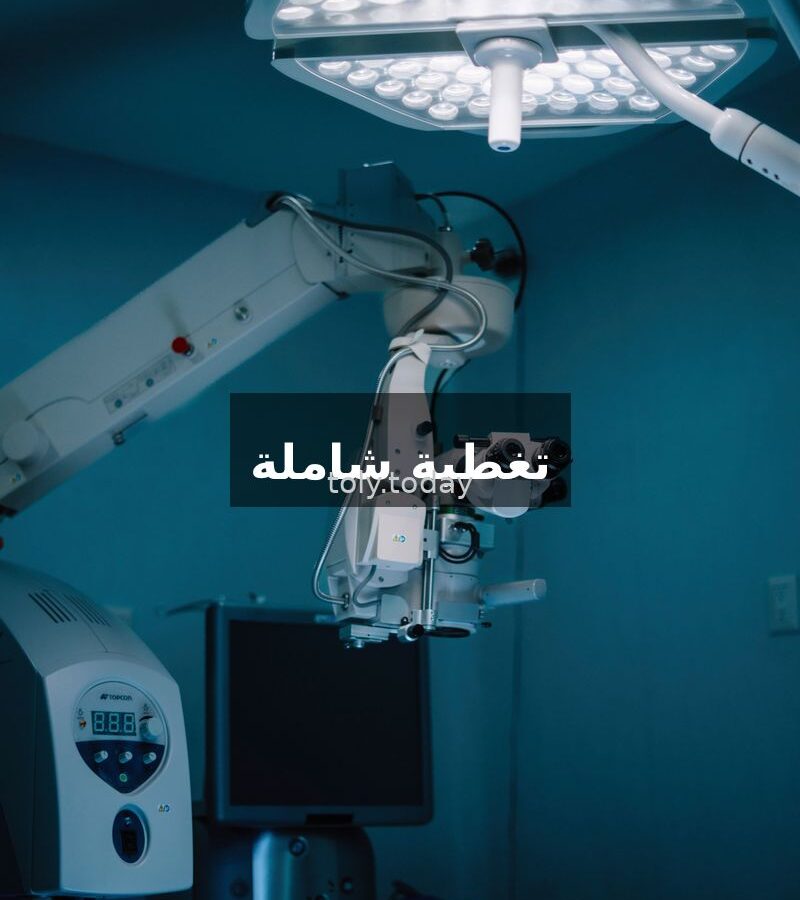
Robotic Surgery: First Operation on Human Tissue.. A Revolution in Surgery 2026
In July 2026, the medical world witnessed a historic moment when the first robotic surgery using an advanced soft tissue system was performed at the Royal Cornwall Hospital in Britain. This technology is not just an ordinary technical development, but a qualitative leap that changes the face of surgery as we know it.
What is Robotic Surgery?
Robotic surgery is a technique that allows surgeons to perform precise operations using robotic arms controlled through a console. The surgeon sits in front of a 3D screen and moves the arms with extreme precision, while the system translates the surgeon’s hand movements into precise movements inside the patient’s body.
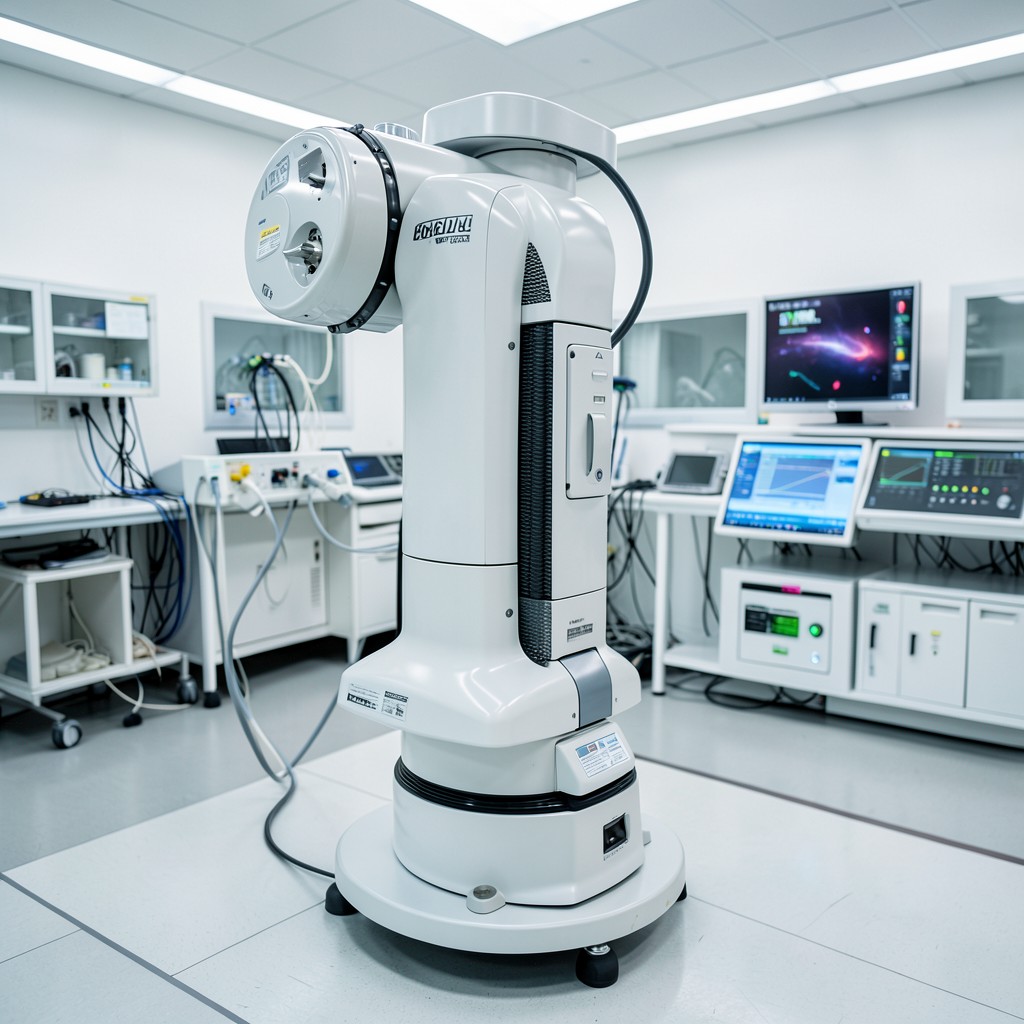
In the historic operation conducted on July 6, 2026, surgeons used a soft tissue robotic system at a cost of £2 million. Surgeon James Clark, head of the surgery department at the hospital, described the experience as “very strange at first,” but confirmed that the robot’s precision far exceeds human hand capabilities.
Benefits of Robotic Surgery
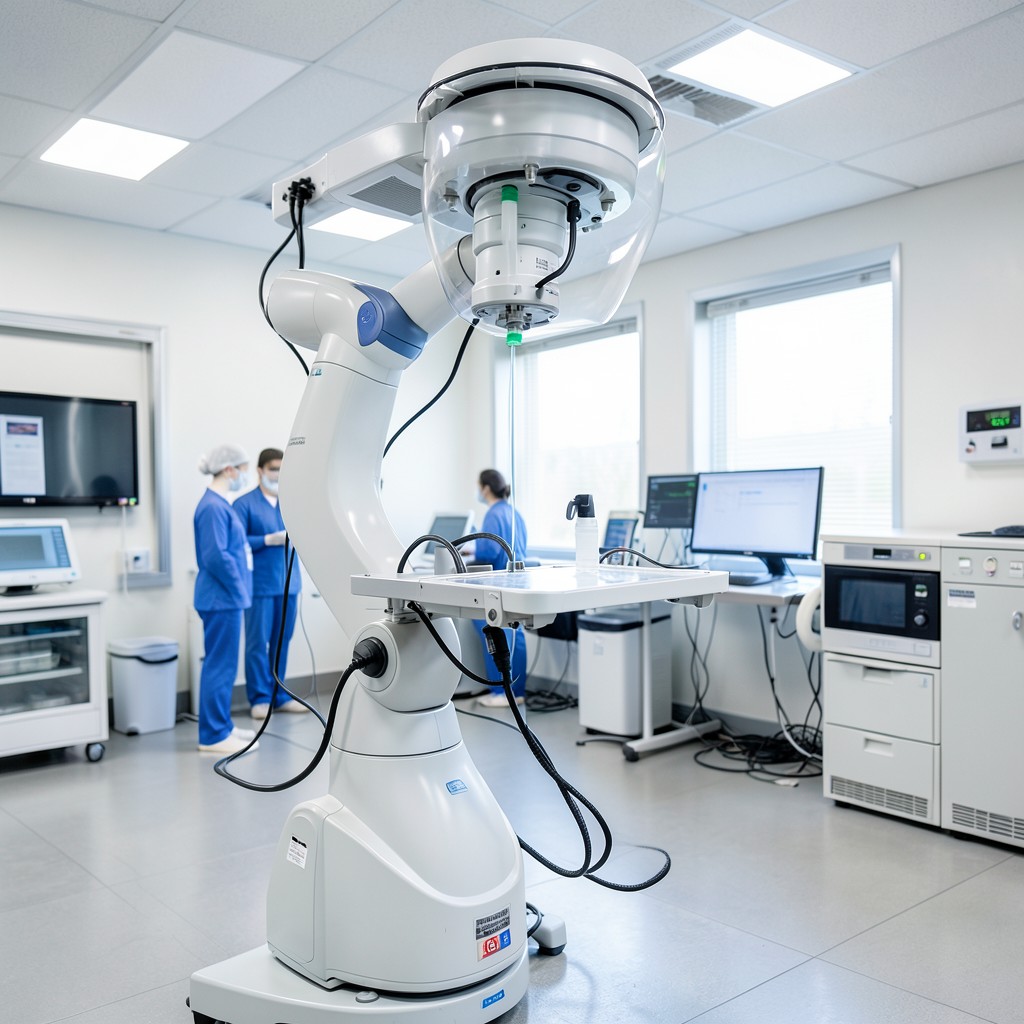
- Superior Precision: The robot provides flexibility and precision that surpass human hands, especially in narrow and hard-to-reach areas
- Reduced Blood Loss: Precise movements minimize bleeding during surgery
- Faster Recovery: Patients leave the hospital sooner compared to traditional surgery
- Previously Impossible Operations: Some operations are now possible thanks to robotic technology
- Reduced Travel: Patients no longer need to travel to distant cities for advanced surgical care
The system is used to treat various conditions, including gastrointestinal and urinary cancers, endometriosis, and some metabolic conditions.
Robotic Surgery in Saudi Arabia

Saudi Arabia is not far behind this global trend. Under Vision 2030, Saudi Arabia has heavily invested in advanced health technologies:
- King Faisal Specialist Hospital: One of the first hospitals in the region to introduce the Da Vinci robotic surgery systems
- King Saud Medical City: Performs dozens of robotic surgeries annually in urology and gastrointestinal surgeries
- King Abdullah Medical City: Uses robots in heart and artery surgeries
- NEOM Health Project: Plans to become a global center for robotic surgery and artificial intelligence in medicine
Training and Qualification
Saudi surgeons receive intensive training at specialized centers around the world (such as the Belgian Center where the Cornwall team trained) to ensure the highest levels of competence. The Saudi Ministry of Health has launched training programs for surgeons on robotic systems as part of the digital health transformation plan.
❓ Frequently Asked Questions About Robotic Surgery
Who Needs Robotic Surgery?
Robotic surgery is suitable for patients who need precise operations in sensitive areas of the body, such as cancer surgeries, heart, urology, and obesity surgeries. The attending physician determines its suitability for each case.
Where is Robotic Surgery Performed in Saudi Arabia?
It is available in major hospitals such as King Faisal Specialist Hospital, King Saud Medical City, King Abdullah Medical City, and the National Guard Hospital. It is expanding to include more hospitals as part of the health transformation plan.
How Much Does Robotic Surgery
Robotic surgery?
The cost is higher than traditional surgery due to the device price, which ranges between $1-3 million. However, the total cost may be lower in the long run because the patient recovers faster and spends less time in the hospital.
How long does robotic surgery take?
The procedure may take slightly longer at first due to the setup of the robotic system, but with experience, it becomes similar or shorter than traditional surgery. The duration varies depending on the type of procedure, ranging from one hour to 4 hours.
How can I benefit from robotic surgery?
If you need a precise surgical procedure, ask your treating doctor if the robotic technology is suitable for your condition. You can contact major hospitals in Saudi Arabia that provide this service and obtain a consultation to determine the most suitable option.
Conclusion
Robotic surgery is not science fiction; it is a medical reality that is happening now. With the first successful soft tissue operation in July 2026, the global surgery field is moving toward a more precise and safer future. Saudi Arabia, thanks to Vision 2030, is making great strides to be at the forefront of countries providing this technology to its patients.