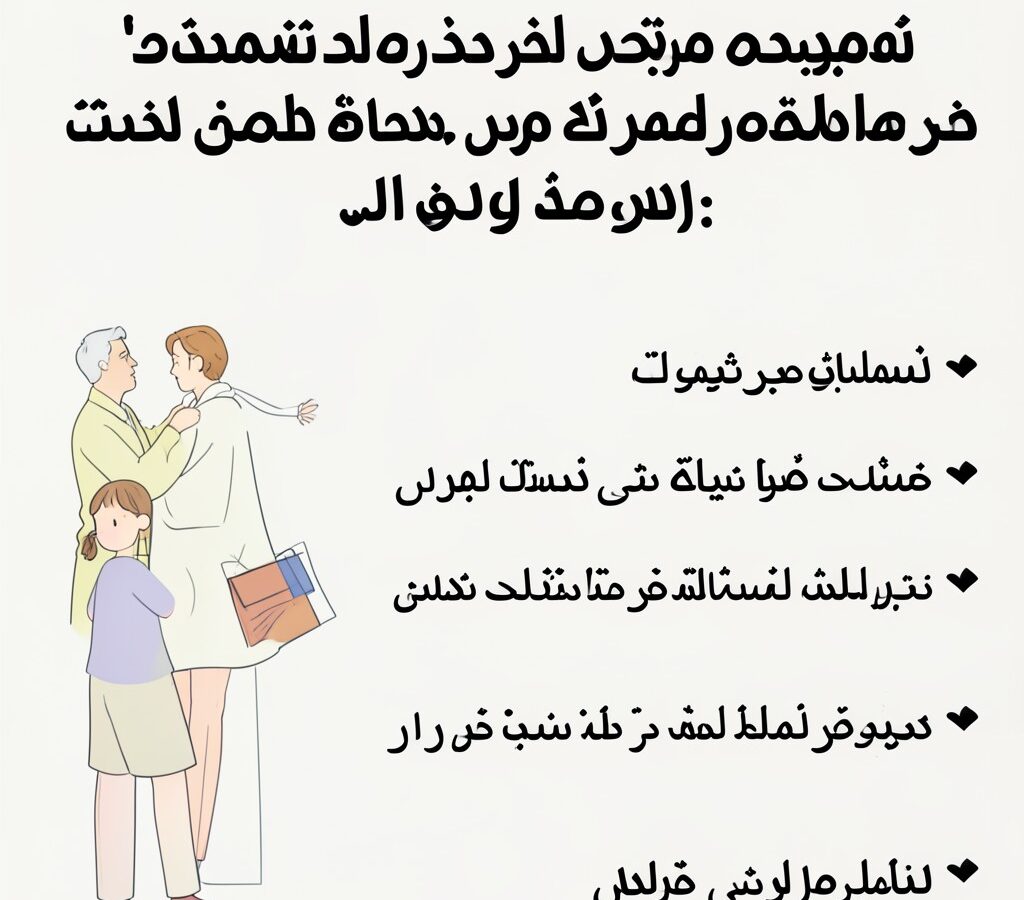
With the changing seasons and weather fluctuations in the Kingdom, we often hear about colds and seasonal flu. Many people confuse the two, even though there is a significant difference in symptoms, severity, and treatment methods. In this article, we clarify the difference between the common cold and flu, and how to protect yourself and your family.
What is the common cold?
The common cold is a mild viral infection that affects the upper respiratory system (nose and throat). It is often caused by rhinoviruses. Symptoms start gradually and are relatively mild: runny or stuffy nose, sneezing, mild sore throat, mild cough. Fever is rare in adults, but children may develop a mild fever. Symptoms usually last from 3 to 7 days.
What is seasonal flu?
Flu is an acute respiratory illness caused by influenza viruses types A and B. According to the World Health Organization, about 1 billion flu cases occur annually worldwide, with 3-5 million severe cases. The biggest difference is that flu symptoms start suddenly and severely: high fever (38-40°C), severe muscle and joint pain, severe headache, extreme fatigue, dry cough, sore throat. Symptoms last from one to two weeks, and the cough may persist longer.
How to differentiate between them?
The main difference is the speed of symptom onset and their severity. With a cold, symptoms come on gradually and focus on the nose and throat. With flu, symptoms strike suddenly and severely, affecting the whole body. High fever, severe muscle pain, and extreme fatigue are the clearest signs of flu.
Prevention methods
The best way to prevent flu is to get the seasonal flu vaccine annually. The Saudi Ministry of Health provides the vaccine for free at health centers and hospitals, especially for high-risk groups: the elderly, pregnant women, people with chronic diseases, and children under five.
For general prevention: wash your hands frequently with soap and water, cover your mouth and nose when coughing or sneezing, avoid crowded places as much as possible during infection seasons, keep surfaces clean, and increase intake of warm fluids and fruits rich in vitamin C.
Home treatment and when to visit the doctor
Most cold and flu cases recover on their own. For home treatment: complete rest, drink plenty of fluids (water, honey tea, warm herbs), use fever reducers like paracetamol (consult the pharmacist).
When should you visit the doctor immediately? If the fever is high and does not respond to fever reducers, difficulty breathing, chest pain, severe dizziness, symptoms lasting more than 10 days, or for children: severe lethargy or refusal to drink fluids.
Frequently asked questions
Q: Do antibiotics treat colds or flu?
Answer: No, antibiotics treat bacteria only, and colds and flu are viral. Using them unnecessarily causes dangerous bacterial resistance.
Q: Is the flu vaccine safe?
Answer: Yes, it is very safe and recommended annually. Side effects, if any, are mild such as pain at the injection site or mild fever.
Q: Does vitamin C prevent colds?
Answer: Research indicates that vitamin C does not prevent infection, but it may shorten the duration of symptoms if taken regularly before infection.
Q: When is flu season in Saudi Arabia?
Answer: Usually from October to March, but infections can occur year-round, especially with intensive air conditioning in summer.