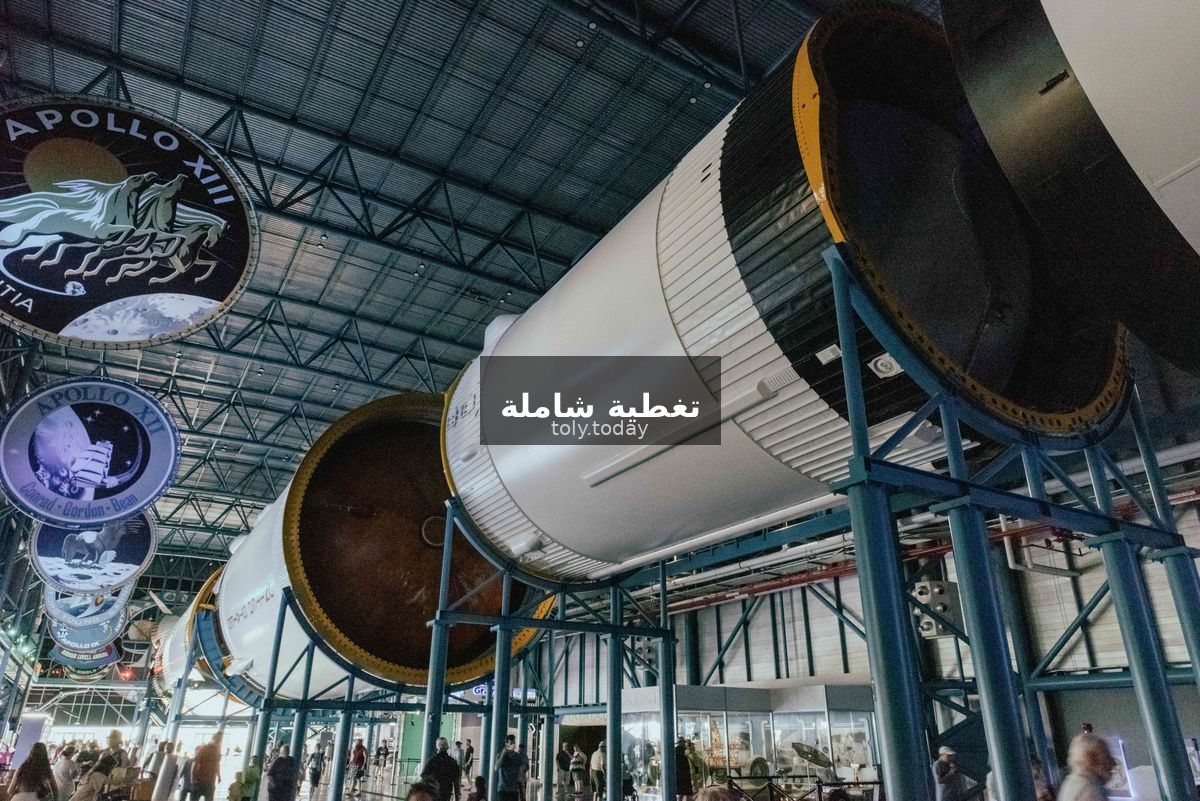
On this day, July 16, 1969, the Apollo 11 spacecraft launched from the Kennedy Space Center in Florida, carrying humanity’s collective dreams. This mission was the first of its kind aimed at landing humans on the Moon, and it ended in resounding success just four days later.
The Mission Crew
The Apollo 11 crew consisted of three brave astronauts:
- Neil Armstrong (Mission Commander) — the first human to set foot on the Moon
- Buzz Aldrin (Lunar Module Pilot) — the second person on the Moon
- Michael Collins (Command Module Pilot) — remained in lunar orbit
The trio launched aboard the Saturn V rocket, the most powerful rocket in history, at 9:32 AM Florida time. About a million people lined the beaches and roads around the launch site to witness this historic moment.
Four Days to the Moon
After liftoff, the journey took three days to reach lunar orbit. On July 20, 1969, the Lunar Module “Eagle” separated from the Command Module “Columbia”, which remained in lunar orbit under Collins’ command.
The real tension began as Armstrong and Aldrin descended toward the lunar surface. In the final moments, Armstrong realized the designated landing site was covered in boulders, so he took manual control and guided the craft to a safer location. With only 30 seconds of fuel remaining, the Lunar Module touched down safely.
Armstrong famously radioed:
→ Houston, Tranquility Base here. The Eagle has landed.
A Giant Leap for Mankind
Hours later, on July 21 at 2:56 AM, Neil Armstrong descended the ladder, stepped onto the lunar surface, and spoke the immortal words:
→ That’s one small step for [a] man, one giant leap for mankind.
The two astronauts spent about 2.5 hours on the Moon’s surface, collecting approximately 21.5 kilograms of rock and soil samples, planting the American flag, and leaving a commemorative plaque that read: “Here men from the planet Earth first set foot upon the Moon, July 1969. We came in peace for all mankind.”
Around 650 million people worldwide watched the live broadcast — about one-fifth of Earth’s population at the time.
Return to Earth
Eight days after launch, on July 24, 1969, the crew’s capsule splashed down in the Pacific Ocean. The astronauts were hailed as global heroes and embarked on a 45-day world tour visiting 24 countries.
Frequently Asked Questions
Did humans really land on the Moon?
Yes. Six different Apollo missions landed on the Moon between 1969 and 1972, and their crews brought back over 380 kilograms of lunar samples studied by scientists around the world.
Are Apollo 11’s tools still on the Moon?
Yes. The descent stage and scientific experiments remain on the lunar surface to this day. Modern satellite images clearly show them.
Who wrote Armstrong’s famous line?
Neil Armstrong himself crafted the phrase. He later said he had thought about it before the flight and wanted to express the moment’s significance for all humanity.
Why didn’t Collins land with them?
The Lunar Module could only carry two people, so Michael Collins stayed aboard the Command Module in lunar orbit, circling it 30 times while waiting for his crewmates. He later called himself the loneliest man in history.
Can this mission be repeated today?
NASA is currently working on the Artemis program to return humans to the Moon, and it is expected that a woman and the first person of color will set foot on the lunar surface in the coming years.