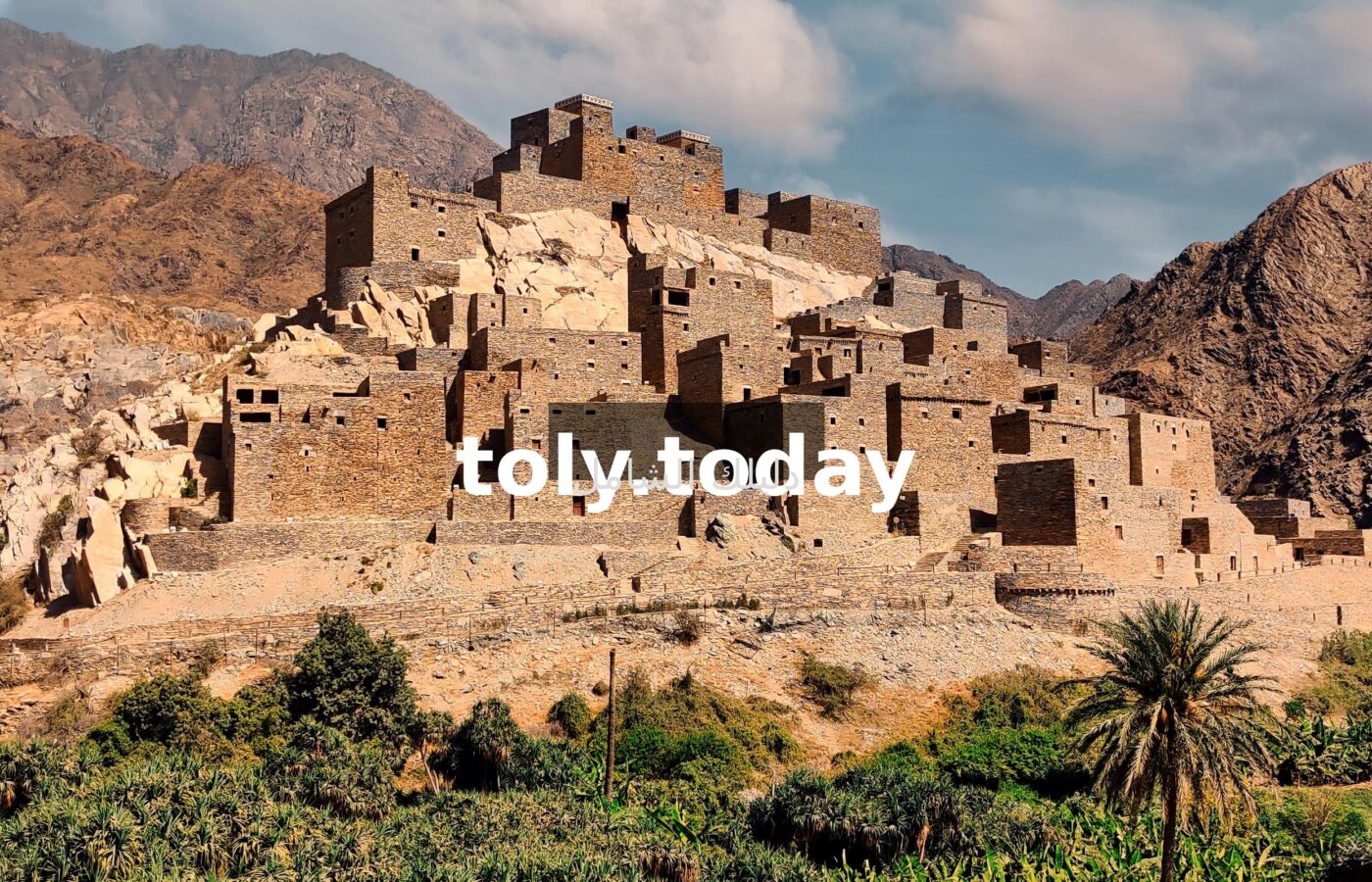
In the northwest of the Kingdom of Saudi Arabia, just steps away from the center of Tabuk city, stands Tabuk Castle as one of the most prominent historical landmarks in the region. This Ottoman-era castle, built in 1559 AD, was not merely a military fortress but a key stop on the Levantine Hajj route connecting the Levant to the Hejaz, and a shelter for pilgrims after their arduous journey.
Today, after its restoration and transformation into an open-air museum for visitors, the castle takes you on a journey through time to explore the rich history of the Tabuk region, spanning both the Ottoman and Saudi eras within a single structure that retains all its original details.
Historical Overview — Who Built the Castle? And When?
Tabuk Castle was built in 1559 AD during the Ottoman period, primarily to protect the water station and monitor the trade and Hajj routes, as well as serving as a strategic security and surveillance point. It was also one of the important stops along the Levantine Hajj Route, which originated in the Levant and headed toward Medina.
The castle underwent restoration and expansion works over the centuries. During the reign of Sultan Mehmed IV (1648–1687 AD), ceramic decorations were added, which are still visible at the entrance today. In 1844 AD, major restorations were carried out during the reign of Sultan Abdulmejid I, as documented in an inscription placed in the mosque’s mihrab inside the castle. After King Abdulaziz entered Tabuk, the castle underwent additional restoration in 1950, followed by a comprehensive restoration in 1992 under the supervision of the Antiquities and Museums Agency. Today, the castle is under the supervision of the Saudi Ministry of Tourism.
Location and How to Get There
Tabuk Castle is located in the heart of Tabuk city, the capital of the Tabuk region in northwest Saudi Arabia. The castle is situated within the old city of Tabuk, near the city center, making it easily accessible.
- From Riyadh: Fly to Tabuk Regional Airport (about 2 hours), then take a taxi to the city center.
- From Jeddah: The driving distance is approximately 650 km via the Medina — Tabuk Expressway.
- By bus: Daily trips from major cities via SAPTCO.
- Upon arrival: The castle is in the city center and easily accessible on foot.
Activities and Experiences
Museum Tour
The castle consists of two floors connected by a stone staircase, and includes a mosque and multiple rooms previously used by pilgrims and guards. The second floor features an open mosque. Visitors can explore and view artifacts that narrate the region’s history across the ages.
Photography and Exploration
The castle, with its unique architectural details, is a paradise for photography enthusiasts. Its stone walls, arches, and wooden doors provide excellent backdrops. The site is also close to the Tabuk Souq, where you can complete your day with a traditional shopping experience.
Levantine Hajj Route
Tabuk Castle is one of the historic stops along the Levantine Hajj Route, featuring information and exhibits explaining the significance of this route, which was used for centuries to transport pilgrims from the Levant to the Holy Lands.
Practical Information
| Information | Details |
|---|---|
| Working Hours | Daily from 8 am to 9 pm |
| Ticket Prices | Free for all |
| Best Time to Visit | From October to March (winter) |
| Recommended Duration | 1 to 2 hours |
| Facilities | Parking, mosque, nearby shops |
| Suitable for | Families, history and photography enthusiasts |
Visitor Tips
- Choose Early Morning or Afternoon: The weather in Tabuk is hot in summer and moderate in winter.
- Wear Comfortable Shoes: The floors are stone and the stairs are old.
- Don’t Forget Your Camera: The Ottoman ceramic decorations and architectural details are worth documenting.
- Explore the Surrounding Area: The castle is close to the Tabuk Souk and the Tabuk Regional Museum.
- Check in Advance: Although entry is free, it’s a good idea to confirm the hours before visiting.
Frequently Asked Questions (FAQ)
Q: Is entry to Tabuk Castle free?
A: Yes, entry is free for all visitors.
Q: How old is Tabuk Castle?
A: The castle was built in 1559, it is over 460 years old.
Q: Is the castle suitable for children?
A: Yes, the castle is safe and suitable for families and children.
Tabuk Castle is not just an old stone wall — it’s the story of a nation and the history of a whole road of pilgrimage, trade, and civilized communication. It’s worth a visit.