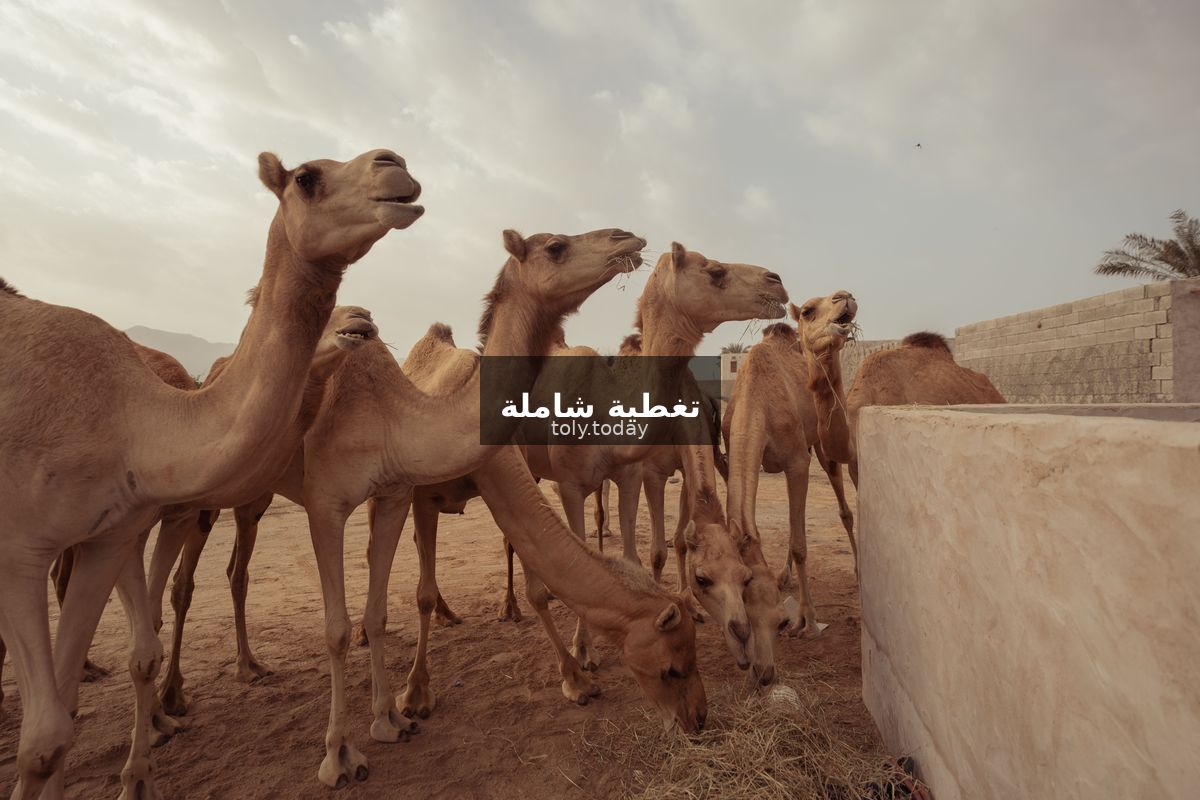
Do you imagine that drones and artificial intelligence are helping to herd camels in the desert of the Kingdom? This is not science fiction, but a reality that is beginning to take shape in Saudi Arabia today. Researchers from King Abdullah University of Science and Technology (KAUST) have developed a revolutionary system that combines drones and artificial intelligence to modernize one of the most ancient professions in the Kingdom’s heritage: camel herding.
What is the new system?
The system developed by Professor Basem Shihada’s team at KAUST relies on a small, cost-effective drone equipped with a single camera, requiring no complex communication networks or expensive devices. The task is simple yet revolutionary: the drone flies over the desert, the camera captures images, and artificial intelligence analyzes them in real time to detect the locations of camels and monitor their movements.
Challenges faced by researchers
According to statements by Dr. Basem Shihada to Arab News, one of the biggest challenges was detecting camels from high altitudes using just a single camera. Additionally, the coverage range of a single drone is limited, which required the team to innovate new methods to ensure reliable monitoring over large areas. However, they succeeded in developing smart solutions that cover vast areas at a low operational cost.
The Kingdom is home to more than 2.1 million camels
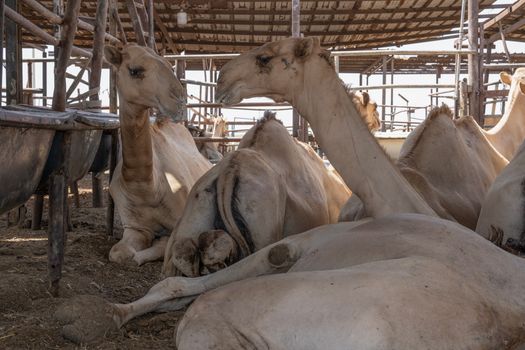
Saudi Arabia is home to more than 2.1 million camels and over 80,000 camel owners. The camel sector is deeply rooted in Saudi cultural identity and rural economy. However, the challenges are significant: loss of livestock, overgrazing, road accidents caused by stray animals, and the difficulty of monitoring herds in remote areas with limited communication infrastructure.
How does it serve Saudi Vision 2030?
This project aligns perfectly with Saudi Vision 2030 in several ways:
- Digital transformation: Using technology in traditional sectors enhances efficiency and productivity.
- Sustainability: Smart grazing management prevents pasture degradation and preserves the desert environment.
- Safety: Reducing road accidents caused by stray camels and protecting lives and property.
- Cost savings: Instead of sending human teams over long distances, one drone covers vast areas.
- Innovation: Supporting scientific research and emerging technologies such as artificial intelligence and drones.
The future of technology in camel herding
The current system is just the beginning. The research team at KAUST is working on developing additional capabilities, including real-time herd tracking via satellites, advanced health analytics for camels, and early warning systems for diseases. This opens the door for the Kingdom’s livestock sector to become a global model for integrating technology with heritage.
❓ Frequently Asked Questions
Who needs this technology?
Camel breeders and owners of large farms, government agencies specialized in animal wealth, agricultural insurance companies, and even traffic authorities to reduce camel-related accidents on highways.
Where is this technology used?
In the desert regions of the Kingdom, particularly the eastern and northern areas where camel farms are concentrated, in natural reserves, and even in camel festivals such as the King Abdulaziz Camel Festival.
What is the cost of the system?
The system is relatively low-cost compared to traditional solutions. Medium-range drones are available starting from 2000 SAR, with AI software that can run on ordinary devices.
How long does the survey take?
Depending on the area, but modern technology allows surveying areas up to 100 square kilometers in a single flight that takes just a few hours, compared to days if done manually.
How do I start using this technology?
You can get in touch with King Abdullah University of Science and Technology (KAUST) or specialized startups in smart farming solutions in the Kingdom. Many companies offer drone services (Drone-as-a-Service) without the need to purchase equipment.
Summary
Saudi Arabia is steadily moving towards employing the latest technologies in all sectors, even the most traditional ones. The AI and drone project for camel herding is not just a tech story; it is a living example of how innovation can preserve heritage, boost the economy, and save lives all at once. The future of herding in the Kingdom has become smarter, and camels are in safe — technically safe — hands.